

Time management is one of the most valuable skills a college student can learn. In college, students have to do multiple responsibilities, such as attending classes, completing assignments, preparing for the exams, doing internships, participating in extracurricular activities, and maintaining a social life. Without proper time management, it is not easy to do and it may feel overwhelmed and stressed. Learning how to manage time effectively helps students get better in academics and improves their overall quality of life.
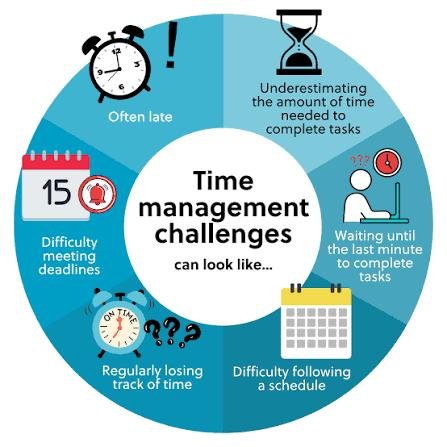
Why Time Management Matters
College life gives students a sense of freedom. Unlike in school, there is no strict timetable, and students must plan their days on their own. This freedom can be both exciting and challenging. Many students struggle to balance studies with personal activities because they do not plan ahead. Effective time management allows students to use their time wisely, prioritize important tasks, and reduce last-minute stress.Time management is also linked to better academic performance. Students who plan their study schedules are more likely to understand subjects deeply instead of cramming before exams. It also provides enough time for revision, group studies, and self-reflection.
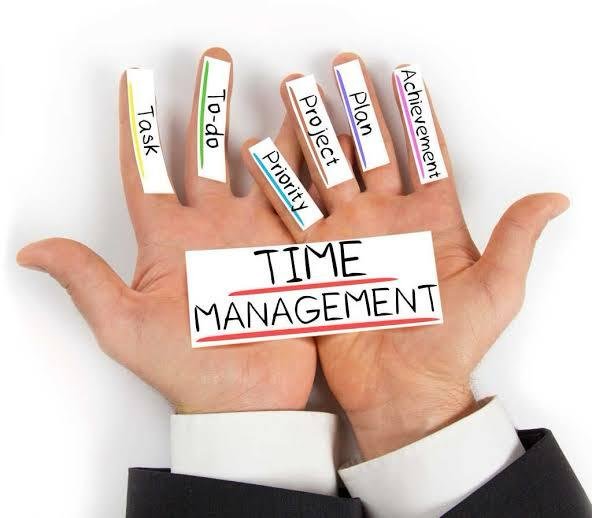
Tips for Effective Time Management
- Create a Schedule: Start by listing all your classes, deadlines, and activities. Use a planner or digital calendar to organize them. Divide your day into blocks for studying, resting, and personal time. Sticking to a routine makes it easier to stay consistent.
- Set Priorities: Not all tasks are equally important. Learn to differentiate between urgent and important tasks. Complete high-priority assignments first and avoid spending too much time on less important activities.
- Avoid Procrastination: Procrastination is one of the biggest enemies of productivity. Instead of waiting for the perfect time to start, begin with small tasks. Once you get going, it becomes easier to continue.
- Break Tasks into Smaller Steps: Large assignments can feel overwhelming. Divide them into smaller, manageable tasks and set deadlines for each part of task. This makes it easier to track progress and stay motivated and clam.
- Limit Distractions:Social media, mobile phones, and chatting with friends can eat up a lot of time. Set specific times to check your phone or social media, and focus on your work during study hours.
- Take Breaks and Rest:Time management is not about working continuously. Taking short breaks improves focus and prevents burnout. Ensure you get enough sleep and stay hydrated.
Benefits of Good Time Management
Students who manage their time well experience less stress and anxiety. They can meet deadlines comfortably and still have time for relaxation and hobbies. Good time management also builds discipline, which is essential for success in professional life. Moreover, it helps students develop a sense of responsibility and self-control, making them more confident and productive individuals.
Conclusion
In conclusion, time management is not just about organizing your day; it is about shaping your future. College is the perfect stage to develop this life skill. By managing time effectively, students can achieve academic success, maintain a healthy balance in life, and prepare themselves for future challenges. As the saying goes, Time is what we want most, but what we use worst. So, start managing your time today; your future self will thank you for it.